
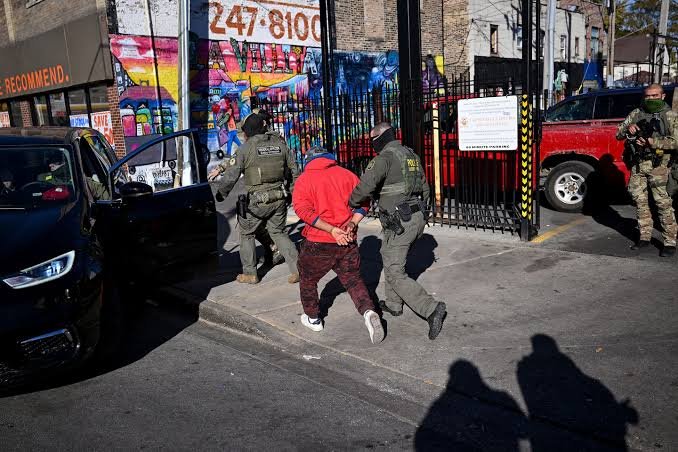
Community members question Joliet police role after federal agents arrive for immigration operation, raising debate over local authority, public safety and residents’ rights
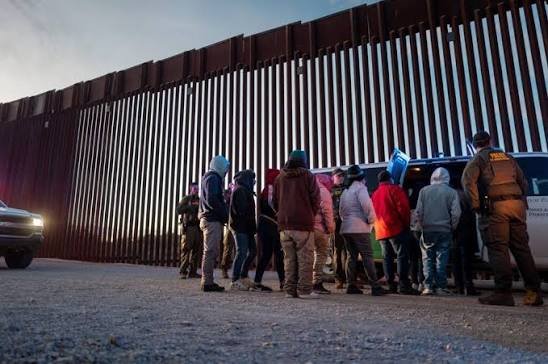
Residents in Joliet, Illinois, are demanding changes in how local police respond to federal immigration enforcement actions after a controversial incident involving federal agents triggered accusations of intimidation, lack of transparency and concerns over whether local officers are protecting the community or simply assisting federal authorities.
The debate erupted during a Joliet City Council meeting after several residents questioned why Joliet police were present during a federal operation on Monday, July 20, 2026, and whether officers did enough to verify the legality of the enforcement action.
At the centre of the controversy is a key question that many communities across the United States continue to debate:
When federal immigration authorities carry out operations in a city, what role should local police play?
Residents accuse police of failing to protect public trust
Five residents addressed the Joliet City Council on Tuesday, calling for a different approach from local law enforcement during immigration-related incidents.
Among them was Alicia Morales, who stressed that she was speaking as a private citizen and not as an elected representative.
Morales said the incident damaged confidence in local public safety and questioned whether residents are being treated equally.
She argued that federal agents allegedly failed to clearly show the arrest warrant they claimed to have.
“They just waved a piece of paper and didn’t show it,” Morales said, questioning why Joliet police did not verify the document.
ICE or Department of Homeland Security? The disagreement behind the controversy
One of the biggest points of confusion involves the identity of the federal agents involved.
Residents who witnessed the incident said the officers were from U.S. Immigration and Customs Enforcement (ICE).
However, Joliet police officials repeatedly stated that the agents were from the U.S. Department of Homeland Security.
Although ICE operates under the Department of Homeland Security, the distinction matters because local cooperation policies can differ depending on which federal agency is involved.
This is one of the details many reports overlook:
ICE and DHS are connected, but local police departments may have different procedures for dealing with each agency.
Why the ICE vs DHS distinction matters
According to Joliet Interim Police Chief Robert Brown, the department does not assist ICE operations but may respond when other federal agencies request assistance.
Brown explained that DHS agents contacted Joliet police before attempting to serve the warrant because they were concerned about possible confrontation with members of the public.
“They were worried that the public was going to come out and attack them,” Brown said.
The chief added that federal agencies normally notify Joliet police when conducting operations in the city, but ICE is an exception.
“ICE never does,” Brown said.
Later, Brown clarified that other federal agencies, including the Federal Bureau of Investigation (FBI), generally contact Joliet police when conducting enforcement activity.
Police defend actions and cite Illinois law
Joliet police rejected accusations that officers improperly supported immigration enforcement.
Chief Brown said the department follows Illinois law and cannot interfere with federal agents carrying out lawful operations.
“We cannot interact and stop ICE agents from delivering their warrant,” Brown explained.
The police department’s position is that officers are not responsible for preventing federal enforcement actions, but also are not actively participating in ICE operations.
Residents raise concerns about filming and public access
Another major complaint involved how residents were treated while observing and recording the incident.
Resident Rosa Hernandez said she filmed the operation and accused a Joliet officer of acting aggressively toward her.
She argued that residents should have been allowed to observe events happening in a public area.
Another resident, Sam Coffey, claimed that an officer told someone they could not remain on a public street or use a phone during the incident.
Chief Brown said he would review police body-camera footage to determine whether officers acted appropriately.
What actually happened during the operation?
According to police, the federal agents were attempting to serve a warrant, but the person they were searching for was not present.
The operation ended without an arrest.
Brown also confirmed that a minor vehicle accident occurred during the incident when a federal agent’s vehicle reportedly bumped another car while entering a driveway.
An accident report was filed, according to police.
The bigger national debate: Local police and immigration enforcement
The Joliet dispute reflects a much larger debate happening across the United States.
Cities face pressure from different sides:
Supporters of stronger cooperation argue:
- local police should help federal authorities maintain public safety;
- immigration enforcement operations can create security concerns;
- cooperation improves coordination between agencies.
Critics argue:
- local police involvement can damage trust with immigrant communities;
- residents may become afraid to report crimes;
- police resources should focus on local public safety rather than immigration enforcement.
This tension has made immigration enforcement one of the most politically sensitive issues in American communities.
Why Joliet’s case could become important
The incident is unlikely to remain only a local controversy.
Communities across the country continue to define the limits of cooperation between local police departments and federal immigration authorities.
The Joliet case highlights three issues that many residents want answered:
- How should police verify federal warrants?
- When should local officers assist federal agencies?
- What rights do residents have when observing law enforcement activity in public spaces?
As the city reviews police actions and body-camera footage, the outcome could influence future policies and public confidence in Joliet’s approach to immigration-related incidents.
Final Analysis: A fight over trust, authority and transparency
The Joliet controversy is not only about one immigration operation.
It represents a broader struggle between federal authority and local community expectations.
Residents want stronger protection of transparency and civil rights, while police officials argue they must follow state law and respect federal jurisdiction.
The final question remains:
How can cities cooperate with federal agencies while maintaining trust with the communities they serve?
The answer will continue to shape immigration debates across America.
Source: Local reports from Joliet City Council meeting / Police statements / Community testimony