
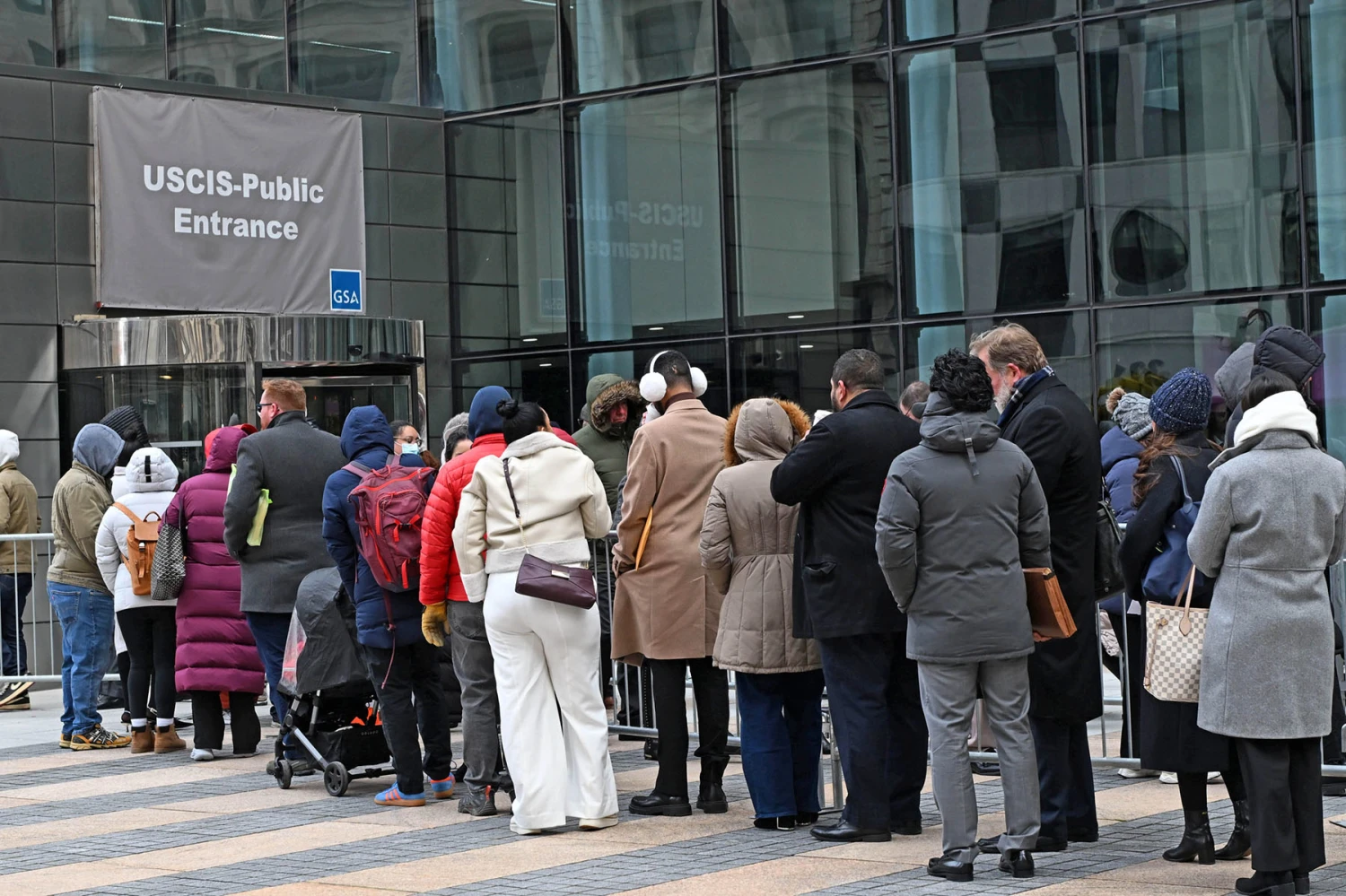
Court decision creates new legal battle over immigrant work rights as thousands face uncertainty in the United States
A federal judge in Boston has temporarily blocked a major immigration policy change from the Trump administration that could have removed work authorization from thousands of immigrants living legally in the United States while their cases are being processed.
The ruling represents a significant legal setback for the administration’s immigration agenda and provides temporary protection for asylum seekers and people under the Temporary Protected Status (TPS) program.
The decision also highlights a larger national debate:
Should immigrants who are legally present in the United States be allowed to continue working while courts decide their immigration future
Judge stops government from cancelling work permits
The decision was issued by U.S. District Judge Nathaniel Gorton, who temporarily blocked the government from enforcing rules that would have affected thousands of immigrants with employment authorization.
The lawsuit was brought by immigrant rights organizations and labour unions, which argued that the new rules were being applied unfairly and could harm workers who depend on legal employment to support themselves and their families.
The judge ruled that the government could not immediately remove these work protections while the legal challenge continues.
Who could be affected by the decision?
The case mainly involves two groups:
1. Asylum seekers
These are people who have requested protection in the United States because they claim they cannot safely return to their home countries.
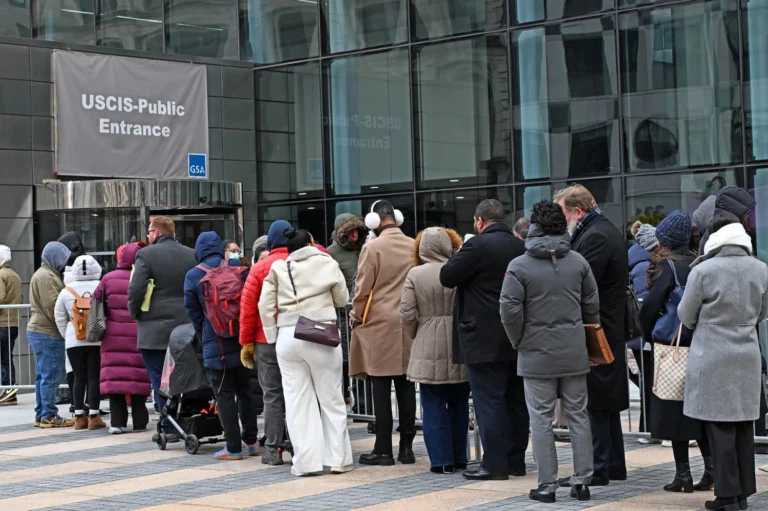
Many asylum seekers are allowed to request work authorization while waiting for their immigration cases to move through the legal system.
Without employment authorization, many would lose the ability to legally earn income while their cases remain unresolved.
2. Temporary Protected Status (TPS holders)
TPS is a program that allows citizens from certain countries experiencing conflict, disasters, or dangerous conditions to temporarily remain and work in the United States.
Countries that have historically benefited from TPS include nations affected by:
- armed conflicts;
- natural disasters;
- humanitarian crises.
The legal fight could affect thousands of TPS holders who rely on their work permits to maintain jobs and legal status.
Why businesses are watching the case closely
The decision is not only about immigration policy.
It also affects the American labour market.
Many industries depend on immigrant workers, including:
- healthcare;
- construction;
- agriculture;
- hospitality;
- manufacturing.
Business groups have warned that sudden removal of work authorization could create labour shortages and increase costs for employers.
The debate has become a balancing act between stricter immigration enforcement and maintaining economic stability.
Trump administration argues immigrants should not depend on government systems
The administration has defended its immigration changes as part of a broader effort to reduce illegal immigration and strengthen enforcement.
Officials argue that immigration benefits should have stricter limits and that government programs should encourage self-reliance.
The administration has also moved to revive policies that could make it harder for some immigrants who use certain public benefits to obtain permanent residency.
The bigger fight: immigration enforcement vs economic reality
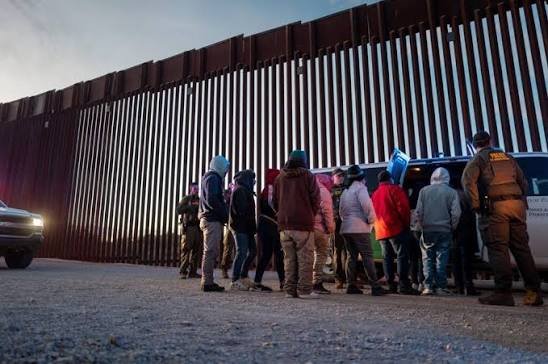
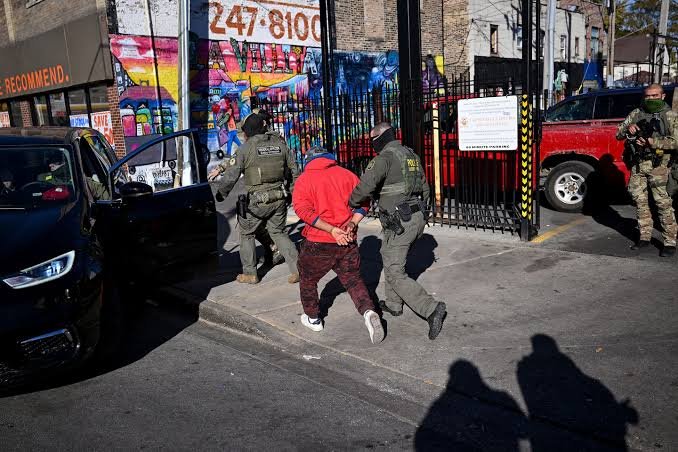
The court battle comes during a period of intensified immigration enforcement in the United States.
Immigration authorities have increased arrests, with reports showing a sharp rise in enforcement activity during 2026.
However, the increase in enforcement has created tension with employers, local communities and immigrant advocates.
The central question is becoming:
Can the United States significantly increase immigration enforcement while avoiding disruption to industries that depend on immigrant labour?
What happens next?
The judge’s decision is temporary.
The court is expected to consider whether the block should continue for a longer period while the full legal challenge moves forward.
The final outcome could determine:
- whether thousands keep their ability to work;
- how future immigration rules are implemented;
- how much power the government has to change existing immigration protections.
Important detail many reports miss: work permits are not immigration status
One of the most misunderstood points in this debate is the difference between having permission to work and having permanent immigration status.
A work permit does not automatically mean someone has a green card or citizenship.
Instead, it allows certain eligible immigrants to legally work while their immigration situation is reviewed.
This distinction is important because many people affected by these policies are still waiting for final decisions from immigration courts.
Final Analysis: A Legal Battle That Could Shape America’s Immigration Future
The court decision is more than a temporary victory for immigrant groups.
It represents a major confrontation over the future direction of U.S. immigration policy.
The Trump administration wants stronger restrictions and faster enforcement, while opponents argue that existing legal workers should not lose their ability to support themselves while following immigration procedures.
As the case continues, thousands of immigrants, employers and communities across the United States are watching closely.
The final ruling could redefine the balance between immigration enforcement, workers’ rights and America’s economic needs.
Sources: Reuters / Federal Court Records / U.S. Immigration Policy Reports