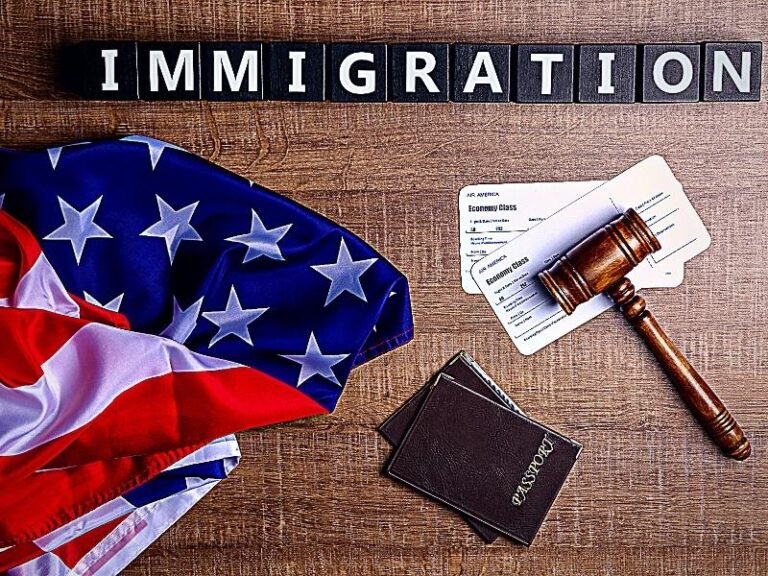

Immigrating to the United States remains one of the most desired goals in the world, but in reality it is also one of the most complex legal processes. Behind the idea of “going to America for a better life” there is a strict immigration system built on visas, quotas, background checks, interviews, and long waiting periods. Many people underestimate how structured and demanding this process has become, and this is exactly where most applications fail.
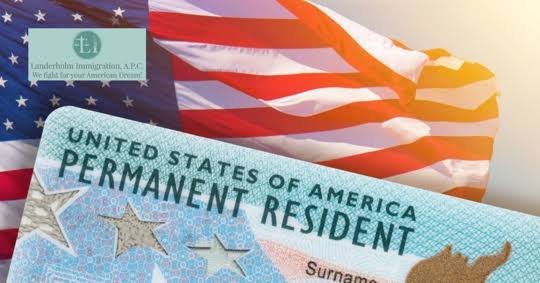
The biggest difficulty in emigrating to the U.S. today is not only getting a visa, but qualifying for the right immigration category. The United States does not allow general entry for work or settlement without legal authorization. Every immigrant must fall under a specific legal route such as family sponsorship, work visa, student visa, humanitarian protection, or the diversity visa lottery. Each of these paths has its own strict requirements and limits.
For legal entry, the core documents usually required include a valid passport, visa application forms (such as DS-160 for non-immigrant visas or DS-260 for immigrant visas), proof of financial stability or sponsorship, civil documents like birth and marriage certificates, police clearance records, medical examination results, and biometric data such as fingerprints and photos. In family-based immigration, additional proof is required to confirm genuine relationships, such as photos, communication history, financial support evidence, and legal certificates. In work-based immigration, employers must submit petitions proving job eligibility and sponsorship approval.
However, having documents alone does not guarantee approval. One of the biggest challenges is proving eligibility under U.S. immigration law. Authorities carefully evaluate whether the applicant will return to their home country in temporary visas, or whether they qualify for permanent residence under strict criteria. Visa interviews at embassies are often decisive moments, where even small inconsistencies in answers or documentation can lead to rejection.
Another major difficulty is time. Many immigration categories have long waiting lists due to annual quotas. Family reunification cases can take years, employment-based visas are limited by sponsorship caps, and the diversity visa lottery is highly competitive and random. Even when approved, administrative processing can delay travel for months.
Financial requirements also create barriers. Applicants must often show that they will not become a financial burden on the U.S. government. Sponsors inside the United States must prove income levels and sign legal responsibilities for the immigrant’s financial support. This requirement alone blocks many applications.
There are also legal risks that affect immigration chances. Overstaying a visa, entering illegally, or providing false information can result in bans of three to ten years or permanent ineligibility. Immigration authorities now apply strict background checks, including travel history, social media review in some cases, and cross-border data verification.
What many people do not fully understand is that immigration is not treated as a personal desire, but as a legal privilege controlled by federal law. Every case is evaluated individually, and approval depends on compliance with specific legal categories, not motivation or economic need alone.
For anyone planning to migrate to the United States, preparation is essential. It is not just about gathering documents, but understanding the correct immigration pathway, maintaining clean legal records, preparing for detailed interviews, and being ready for long waiting periods and possible rejection. Emotional readiness is just as important as financial and legal preparation, because the process can be slow, uncertain, and highly selective.
In the end, migrating to the United States is less about travel and more about entering one of the most controlled immigration systems in the world. Those who succeed are usually the ones who understand the rules early, prepare thoroughly, and follow the legal path without shortcuts.(Paula Nhampossa)