
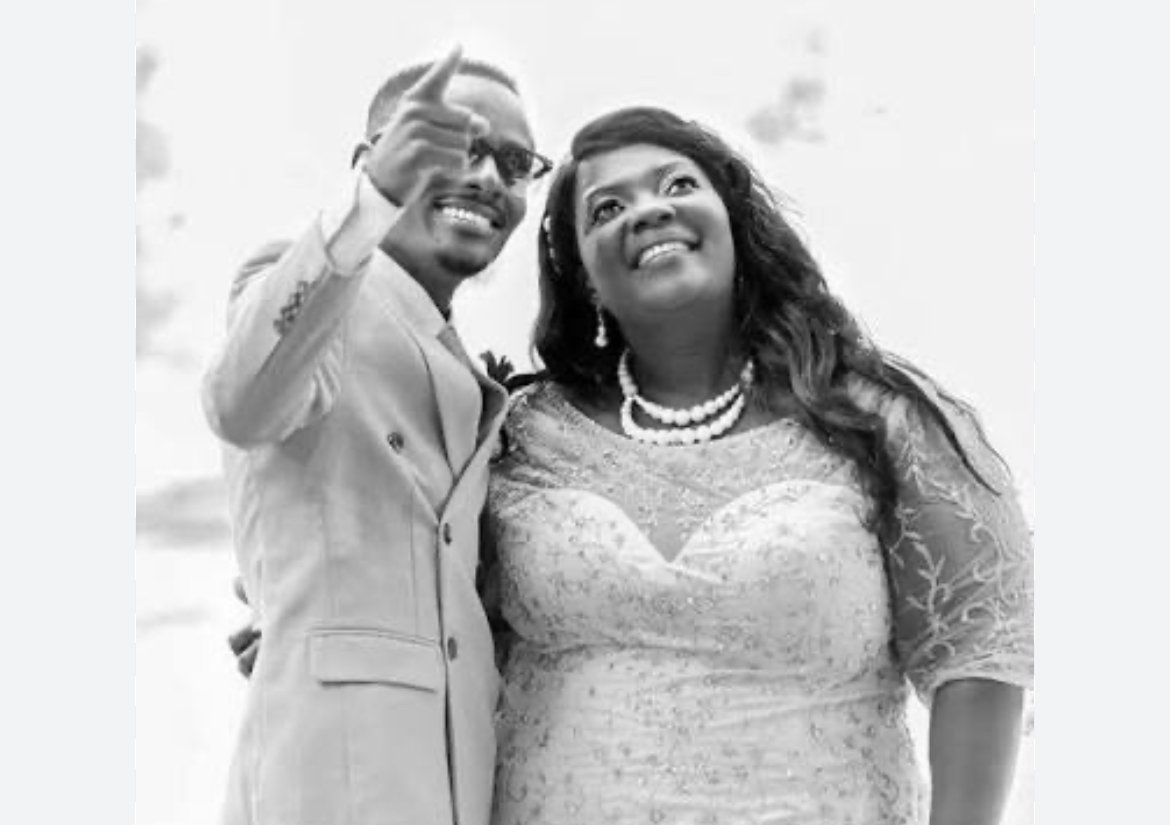
Marriage in the United States is both a legal contract and a social institution. While many people associate it with romantic traditions, the civil marriage system in the U.S. is highly structured, regulated by law, and has evolved significantly over time. Today’s process is very different from what it used to be decades ago.
HOW MARRIAGE USED TO WORK IN THE UNITED STATES
In the early history of the U.S., marriage was heavily influenced by religion, local customs, and social control.
1. Strong religious control
Before the 20th century, most marriages were:
- Conducted by churches or religious leaders
- Based on Christian traditions (especially in European-descended communities)
- Recognized socially more than legally in some rural areas
2. Limited legal structure
There was no unified national system. Instead:
- Each state had different marriage rules
- Documentation was often minimal or inconsistent
- Some couples were considered married simply by living together and presenting themselves as husband and wife (“common-law marriage” in certain states)
3. Parental and community influence
In many communities:
- Families had strong control over marriage choices
- Marriages were sometimes arranged or heavily influenced by economic or social status
- Divorce was rare and socially stigmatized
WHAT HAS CHANGED TODAY
Modern civil marriage in the U.S. is now:
- Fully legal and regulated by state governments
- Based on individual consent
- Gender-neutral (since same-sex marriage became legal nationwide in 2015)
- More focused on legal rights than religious approval
Key legal shift:
The biggest transformation came when marriage became a civil right protected by law, not just a religious or cultural institution.
HOW CIVIL MARRIAGE WORKS IN THE U.S. TODAY (STEP BY STEP)
Even though details vary by state, the general process is similar across the country.
STEP 1: Obtain a Marriage License
- The couple applies at a county clerk’s office
- They provide identification (passport, driver’s license, etc.)
- Pay a fee (varies by state)
- Some states require waiting periods or blood tests (rare today)
STEP 2: Waiting Period (if required)
- Some states require 24 hours to a few days before the ceremony
- Others allow same-day marriage
STEP 3: Ceremony
The marriage can be:
- Civil (conducted by a judge, mayor, or authorized official)
- Religious (church, mosque, temple, etc.)
- Or even symbolic (friends or celebrants, as long as legal requirements are met)
During the ceremony:
- The couple exchanges vows
- Witnesses may be required (depends on the state)
- The officiant declares the marriage legally valid
STEP 4: Signing the Marriage Certificate
- The couple, officiant, and witnesses sign the official document
- This is the legal proof of marriage
STEP 5: Registration with the State
- The officiant files the certificate with the local government
- The marriage becomes officially recorded in public records
MODERN CHANGES THAT SHAPED MARRIAGE IN THE U.S.
1. Same-sex marriage legalization (2015)
- Supreme Court ruling made same-sex marriage legal nationwide
- One of the biggest social and legal changes in U.S. history
2. Less religious dependency
- Couples are no longer required to marry in a church
- Civil ceremonies are now very common
3. More personal freedom
- People marry later in life compared to past generations
- Divorce is legally easier (though still complex emotionally and financially)
- Interracial marriages are widely accepted (legally protected since 1967)
4. Digital and administrative modernization
- Marriage license applications are increasingly online
- Records are digitized in many states
TODAY’S REALITY: WHAT MARRIAGE MEANS IN THE U.S.
In modern America, marriage is:
- A legal partnership with financial rights
- A social and emotional commitment
- A system that affects taxes, inheritance, healthcare decisions, and immigration status
It is no longer just a family or religious arrangement—it is a legal contract between two individuals with equal rights under the law. (Por : Carlos Alberto)