
Prime Minister Mark Carney arrives on stage at his campaign headquarters in Ottawa after the Liberal party won the federal election on Tuesday, April 29, 2025. THE CANADIAN PRESS/Justin Tang
Canada’s insurance industry is entering a pivotal phase of public repositioning as the Insurance Institute of Canada rolls out a nationwide awareness campaign aimed at strengthening consumer trust and reinforcing professional standards across the sector.
At a time when climate-related losses are escalating, premiums are rising, and policy complexity is increasing, the initiative signals a broader effort to rebuild confidence between insurers, brokers, and policyholders.
Why Trust Has Become a Strategic Priority
Across Canada, insurance customers are navigating a more volatile environment than ever before. Extreme weather events, inflation-driven reconstruction costs, supply chain pressures, and regulatory adjustments have all contributed to premium volatility and stricter underwriting practices.
As a result, consumers are asking tougher questions:
- Why are my premiums increasing?
- What exactly is covered under my policy?
- How qualified is the advisor selling this coverage?
- Will my claim be handled fairly and efficiently?
Industry leaders recognize that long-term sustainability depends not only on pricing discipline and capital strength but also on public confidence in the expertise and integrity of insurance professionals.
The new campaign directly addresses this concern by spotlighting professional accreditation as a measurable standard of competence.
Elevating Professional Standards Through Certification
At the center of the campaign is the promotion of the Chartered Insurance Professional (CIP) designation — a nationally recognized credential awarded to insurance practitioners who complete rigorous coursework, examinations, and ethics requirements.
The strategy behind the campaign is simple but powerful:
If consumers understand the value of certified expertise, they will make more informed choices when selecting brokers, agents, and risk advisors.
In practical terms, this means encouraging Canadians to:
- Ask whether their advisor holds professional credentials.
- Understand that insurance is a specialized discipline, not merely a sales function.
- Recognize the difference between licensed representatives and fully certified professionals.
By reinforcing professional benchmarks, the industry aims to shift perception from transactional selling to advisory expertise.
The Broader Industry Context
This campaign does not exist in isolation. It emerges during a period of structural pressure within the Canadian insurance market:
1. Climate Risk Acceleration
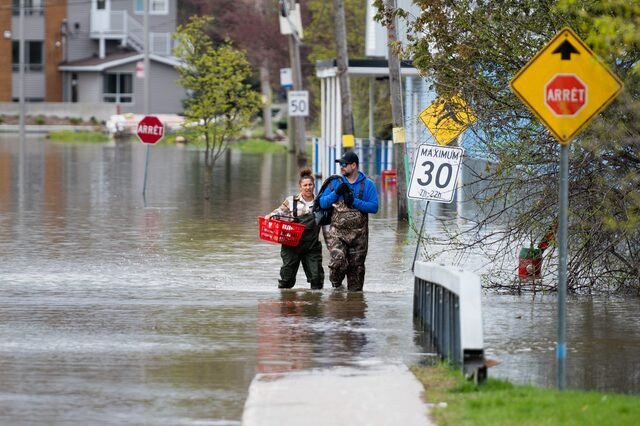
Flooding, wildfires, and severe storms are generating record insured losses. Insurers are tightening underwriting guidelines, introducing higher deductibles, and in some high-risk zones, limiting new policy issuance.
2. Regulatory Scrutiny
Federal and provincial regulators are increasing oversight related to consumer disclosure, solvency, and climate stress testing. Transparency expectations are rising.
3. Digital Disruption
Insurtech platforms and direct-to-consumer models are reshaping customer expectations around speed, convenience, and pricing transparency.
4. Talent Shortage
The industry faces an aging workforce, with a significant portion of experienced professionals approaching retirement. Promoting certification also helps position insurance as a long-term career path for younger Canadians.
Against this backdrop, strengthening professional identity becomes both a defensive and offensive strategy.
Strategic Objectives Behind the Campaign
While framed as a public awareness effort, the initiative carries deeper strategic goals:
Strengthening Industry Reputation
Insurance often suffers reputational damage during claim disputes or catastrophic events. Highlighting certified expertise helps reframe the narrative around competence and accountability.
Supporting Premium Justification
As climate-related risks increase pricing pressure, consumers are more likely to accept adjustments when advised by trusted professionals rather than anonymous call centers.
Attracting New Talent
By elevating the status of professional credentials, the campaign helps position insurance as a knowledge-based career with upward mobility.
Aligning with Global Best Practices
Globally, mature insurance markets are emphasizing professional standards to manage complex emerging risks such as cyber threats, ESG compliance, and climate adaptation. Canada’s initiative mirrors that global shift.
What This Means for Consumers
For Canadian policyholders, the implications are practical:
- Seek advisors with formal designations.
- Request clear explanations of exclusions and policy wording.
- Ask about continuing education and specialization areas.
- Evaluate long-term advisory relationships rather than short-term price comparisons.
As risks grow more sophisticated, insurance decisions increasingly require analytical judgment — not just price sensitivity.
Implications for Brokers and Agents
For professionals in the field, the campaign raises competitive expectations.
Advisors without advanced credentials may face increasing pressure to upgrade qualifications. Meanwhile, those who already hold recognized designations gain a marketing advantage in a more credential-aware marketplace.
Brokerages may also integrate credential status into brand positioning, recruitment, and client communication strategies.
Long-Term Impact on the Canadian Insurance Market
If successful, the initiative could influence the industry in several lasting ways:
- Higher overall educational standards.
- Greater transparency in client communication.
- Increased differentiation between advisory models and pure distribution channels.
- Stronger public perception of insurance as a professional service rather than a commodity.
Over time, this shift could support pricing stability, improved claim satisfaction metrics, and stronger regulatory alignment.
Important Notes
- Certification does not eliminate claim disputes, but it raises advisory quality.
- Professional designation should complement — not replace — strong regulatory oversight.
- Consumer education remains essential, especially in high-risk climate regions.
- Credential transparency may soon become a competitive requirement rather than an advantage. (vozafricano)