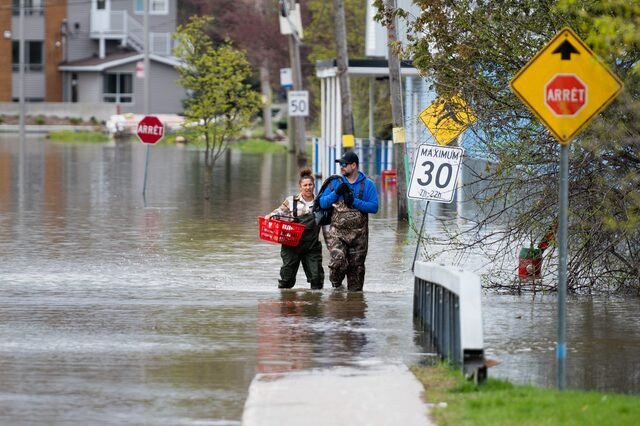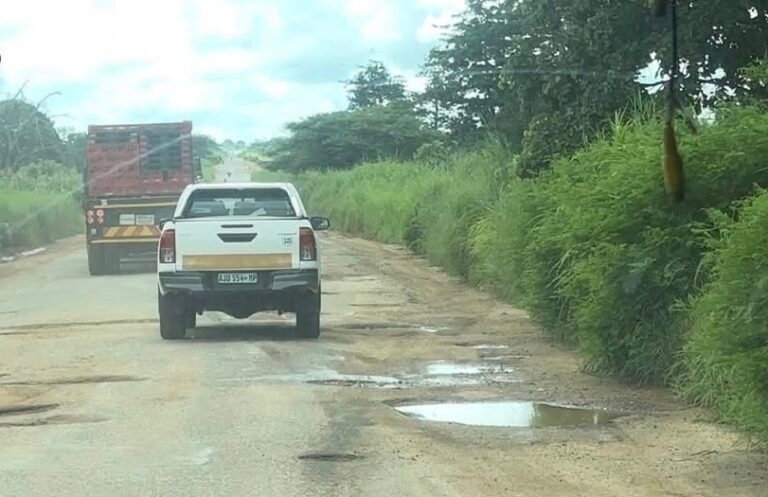
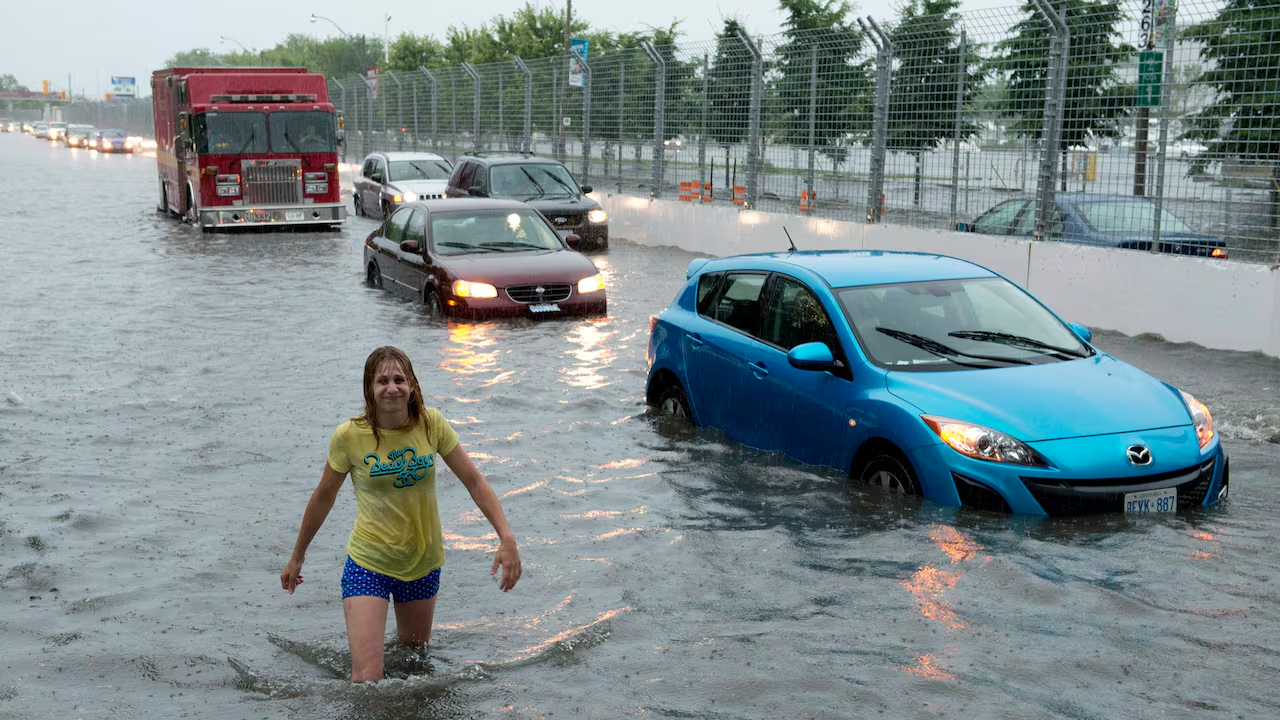
In recent years, Canada’s property and casualty insurance market has been reshaped by a dramatic rise in severe weather events — from wildfires and hailstorms to flooding and ice storms. By 2024 and 2025, the pace and magnitude of losses driven by extreme weather have forced insurers, regulators, homeowners and policymakers into a new normal: one where climate risk isn’t just physical, but also financial and systemic.
The industry has recorded historic insured losses — pushing the sector to rethink how it prices risk, manages claims, and plans for future resilience.
Record-Breaking Losses: Numbers That Tell a Story
🧮 The Scale of Change
- In 2024, total insured damage from severe weather in Canada surpassed C$8-8.5 billion, the highest annual figure on record. This marked a dramatic jump compared with previous years and reflected multiple catastrophic events such as wildfires, flooding and major storms across several regions.
- In 2025, severe weather continued to cost insurers heavily. According to catastrophe indices, more than $2.4 billion in insured losses were recorded — placing 2025 among the top 10 costliest years on record for weather damage.
These figures represent more than just dollars — they indicate a persistent escalation in both frequency and severity of climate-linked losses, with implications for consumers and industry alike.
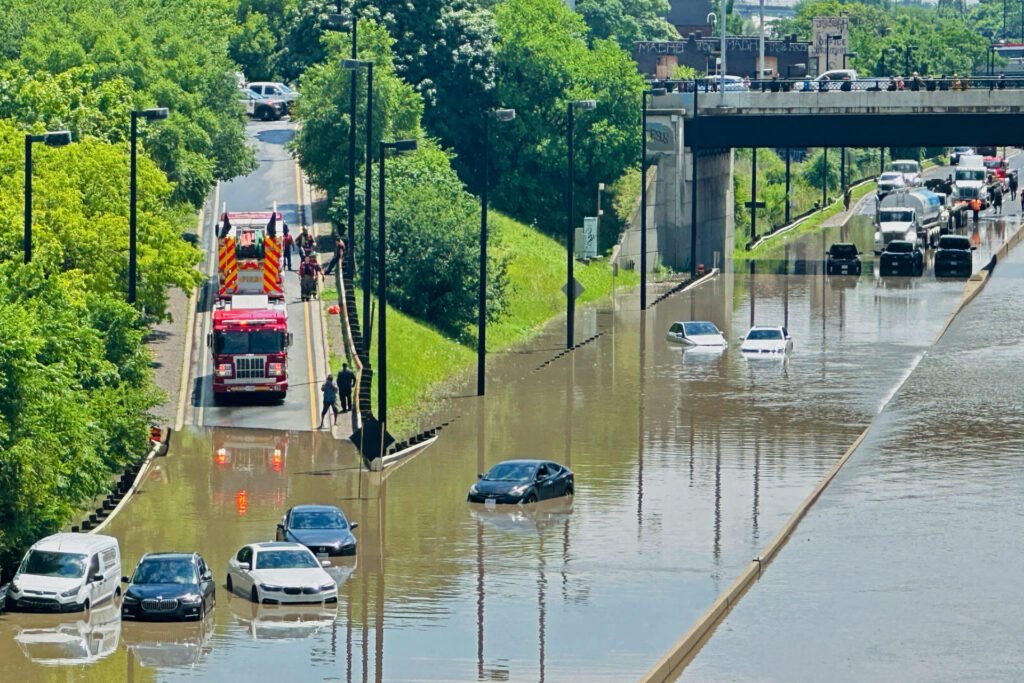
Drivers Behind the Escalation
🌡 Climate Change Meets Urban Risk
The rise in insured losses isn’t random; it’s the result of climatic shifts interacting with expanding development and population centers:
- Warmer air holds more moisture, leading to more intense rainfall and flooding.
- Longer dry spells create conditions ripe for wildfires, which can explode rapidly once ignition points occur.
- Changing temperature extremes, combined with seasonal transitions, can intensify ice storms in eastern Canada and severe thunderstorms in the Prairies and central provinces.
Experts note that the cumulative impact of climate change is now manifesting clearly in Canada’s weather patterns — tilting the playing field toward more costly and unpredictable extremes.
What Major Events Contributed Most?
A handful of high-profile events drove much of the recent insured losses:
🔥 2024 Wildfires and Storms
- A series of wildfires, including the notable Jasper wildfire, inflicted hundreds of millions in insured losses.
- Intense thunderstorms in Alberta and other Prairie areas brought hail, winds and heavy rains that rank among the most expensive loss events in history.
❄ Ice Storms and Flooding
- Large ice storms in Quebec and Ontario contributed significantly to damage in early seasons, while flooding across urban and rural areas led to property and infrastructure losses that taxed both insurers and government emergency responses.
Taken together, these concentrated bursts of damage explain why 2024’s combined cost was so historically large.
Ripples: From Premiums to Policy
📈 Insurance Costs and Premium Adjustments
Insurers have begun adjusting pricing to reflect the reality of growing claims frequency:
- Actuarial models now incorporate more severe weather scenarios.
- Home and property insurance premiums have risen in many provinces as insurers seek to offset high claims payouts.
- Some high-risk areas are seeing narrower coverage options or steeper deductibles, particularly for flood and climate-linked risks.
While these changes reflect actuarial necessity, they also raise questions about affordability and access for average homeowners — especially those in regions repeatedly hit by disasters.
Systemic Strains and Industry Capacity
Beyond individual claims, the industry faces structural pressures:
🧱 Capital and Solvency Considerations
- Large, back-to-back loss years strain insurers’ capital reserves.
- Reinsurance costs — the insurance that insurance companies buy — have also risen globally, making coverage more expensive for carriers, which then pass costs on to consumers.
🏛 Public-Private Coordination
Policy discussions are intensifying over how government can support resilience:
- Investments in flood defences and wildfire mitigation infrastructure.
- Building codes and urban planning policies that reflect future climate risk.
- Public education for homeowners on preventive measures.
Experts argue that prevention and adaptation investments could significantly reduce future losses, cushioning both public budgets and private insurance costs.
Impacts Beyond Payouts
The true impact of extreme weather extends beyond insured losses:
- Communities face displacement, emotional stress and long-term rebuilding needs.
- Economic ripple effects can slow local growth and strain municipal services.
- Insurance literacy gaps can leave homeowners under-prepared for risks they assume are covered but often aren’t — such as certain types of flood damage.
Experts emphasize that claims figures understate total societal loss because many damages are uninsured or underinsured.
Looking Forward: A New Era of Risk Management
As Canada heads deeper into the 2020s, both the insurance industry and public policy must evolve rapidly:
🔍 Innovation in Insurance Products
Insurers are exploring new product designs, including parametric insurance and micro-insurance models that pay out based on measured weather triggers rather than traditional loss estimates — potentially expediting claims and spreading risk.
🛠 Climate-Smart Building and Planning
Cities and provinces are reassessing zoning, drainage, building codes and emergency response frameworks to reduce exposure before the next storm hits.
📊 Consumer Education and Preparedness
For Canadians, understanding policy coverage, exclusions, and steps to reduce property risk — such as reinforcing foundations, installing backwater valves and improving roof resilience — is becoming increasingly essential.
Final Takeaway
Canada’s record-breaking insured losses from extreme weather are more than a statistical anomaly; they mark a turning point in how climate risk is recognized, priced and managed across the nation.
With billions of dollars in payouts shaping market behavior, government planning and household decisions alike, extreme weather is now a central factor in Canada’s financial and social resilience strategy — and the transformation has only just begun.