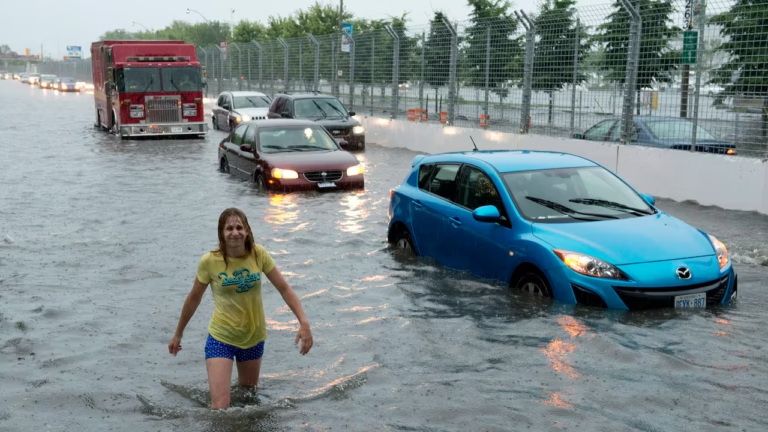
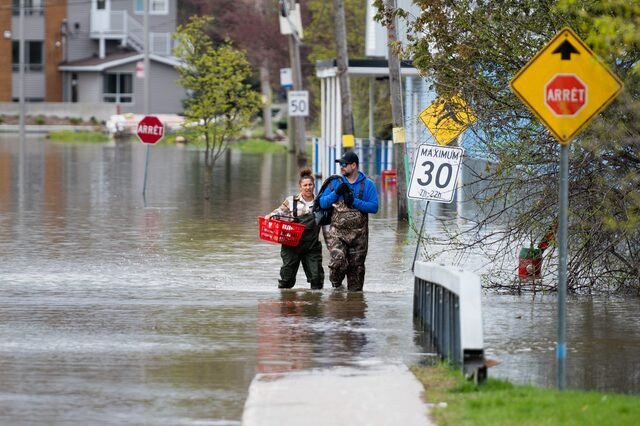
In 2025, Canadian homeowners experienced a dramatic increase in water-related insurance claims, particularly those linked to external water events such as heavy rain, sewer backup and overland flooding. According to new data released by Allstate Insurance Company of Canada, claims for water damage from sources outside the home nearly doubled compared to the prior year — highlighting a growing vulnerability in Canada’s increasingly volatile weather landscape.
This rise in claims doesn’t just reflect immediate financial costs; it underscores broader pressures facing homeowners, the insurance market and Canadian communities alike.
What’s Behind the Jump in Water Damage Claims?
Allstate Canada’s analysis shows that water damage caused by external sources — anything from intense rainfall and groundwater infiltration to sewer backup — increased by 94 % in 2025 compared with 2024, a startling surge considering Canada’s already high baseline of weather-related damage.
These water-related incidents now make up a significant share of overall home insurance claims. In 2025, external water damage was responsible for almost 1 in 4 home insurance claims filed with Allstate Canada, reflecting a structural shift in the types of risk Canadians are confronting.
This aligns with broader national patterns: severe weather events like flooding and intense storms have contributed to rising insured losses across the country in recent years, with major events in cities like Toronto and regions like British Columbia adding pressure to insurers and homeowners alike.
Disconnect Between Awareness and Preparedness
Perhaps most concerning in Allstate Canada’s findings is the gap between risk awareness and preventive action among Canadians:
- More than half (53 %) of Canadians surveyed do not plan any flood prevention action this spring, despite growing flood risk.
- One in three respondents say they are worried about flooding yet still plan to take no steps to prepare, such as clearing drains or reinforcing barriers.
- Among homeowners who do intend to act, most plan only basic DIY efforts like cleaning gutters, rather than hiring professionals to install drainage solutions or sump pump backups.
This mismatch suggests that while climate-linked risks are increasingly top-of-mind, they are not translating into meaningful behavior change — leaving many households exposed.
Why This Matters for Homeowners
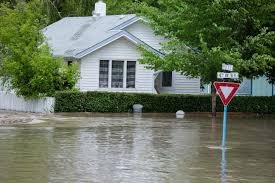
1. Insurance Coverage Is Not Automatic
Standard home insurance policies cover many forms of water damage — such as pipe bursts or internal leaks — but not all external water perils. Overland flooding or sewer backups often require optional endorsements that many homeowners do not purchase or fully understand.
This means even if a homeowner suffers damage from a flood event, they may not be covered unless they proactively added the right protections when buying their policy.
2. Cost of Damage Can Be Substantial
Water damage remains one of the most costly risks for property owners. Cleanup, mold remediation, structural repairs and displacement costs can quickly run into the tens of thousands of dollars — especially without proper coverage.
Insurance industry data over the past several years show that water-related losses frequently dominate catastrophic insurance payouts in Canada, rivaling or even exceeding wildfire and storm losses in some regions.
3. Climate Change Is a Driving Force
Scientists and insurers alike note that warmer atmospheres hold more moisture, increasing the frequency and intensity of heavy rainfall events. For Canada, this means areas historically considered low risk for flooding are now facing new extremes in weather patterns.
While flood protection infrastructure in many regions was designed for older climate norms, evolving precipitation patterns are testing those assumptions — raising questions about future preparedness and community resilience.
Practical Steps for Canadian Homeowners
To better manage rising water-related risks and insurance costs, experts recommend several proactive measures:
☑ Review Your Insurance Policy Early
Understand exactly what types of water damage your home insurance covers. Ask your broker whether you need optional flood or sewer backup endorsements, and confirm how deductibles and limits apply.
☑ Invest in Preventive Home Upgrades
Simple improvements can reduce risk:
- Install or maintain sump pumps with battery backups.
- Ensure downspouts discharge water at least 2–3 metres from your foundation.
- Grade landscaping to direct water away from buildings.
- Clear gutters and drains before heavier precipitation seasons.
☑ Document and Report Issues Promptly
At the first sign of water intrusion, take photos, keep receipts for repairs, and notify your insurer promptly. Early documentation can help avoid coverage disputes during claims processing.
☑ Think Long-Term About Resilience
Weather patterns are shifting, and what was once considered “rare” may become more common. Structural upgrades — such as foundation waterproofing or improved drainage systems — are investments in long-term peace of mind.
What Insurers Are Saying
Industry professionals stress that mitigation is no longer optional. As George Ljubicic, an agency manager at Allstate Canada, emphasizes: “Water damage is one of the most common reasons Canadians file an insurance claim, making prevention no longer optional, but essential.”
However, awareness without action will not be enough. Bridging the gap between concern and preparedness is now seen as critical for lowering claim costs, keeping premiums stable, and safeguarding homes across the country.
Looking Ahead
As Canada enters another season of unpredictable weather, the urgency for homeowners and renters to understand and manage water risk is only growing. With claims rising and consumer preparedness lagging, the weeks ahead will test how effectively individuals and insurers can adapt to an environment where water damage is becoming a defining challenge of the 21st century. (vozafricano)