The Administração Nacional de Estradas (ANE) has announced plans to construct 112 metal bridges across Mozambique, marking one of the country’s most ambitious road infrastructure reinforcement initiatives in recent years.
The project falls under the national Bridge Development Program and aims to strengthen road connectivity, improve safety, and enhance the efficiency of goods and passenger transport throughout the country.
Strategic Memorandum Signed
The initiative follows the signing of a memorandum of understanding between ANE, Conduril Engenharia SA, and Acrow Bridge, a U.S.-based firm specializing in modular steel bridge solutions.
The signing ceremony was attended by Mozambique’s Minister of Transport and Logistics, João Matlombe, alongside U.S. Chargé d’Affaires Abigail L. Dressel and U.S. Deputy Assistant Secretary of Commerce Sarah Troutman.
The agreement outlines several preparatory steps before construction begins, including:
- Feasibility studies
- Environmental impact assessments
- Development of executive engineering designs
- Preparation of full technical documentation
- Comprehensive cost estimation
According to Minister Matlombe, the memorandum will establish strong technical and financial foundations for implementation and facilitate the mobilization of funding from various international sources.
Resilience Against Natural Disasters
Mozambique is frequently affected by floods and extreme weather events, which often damage bridges and isolate communities. The adoption of modular steel bridges is viewed as a strategic response to these recurring challenges.
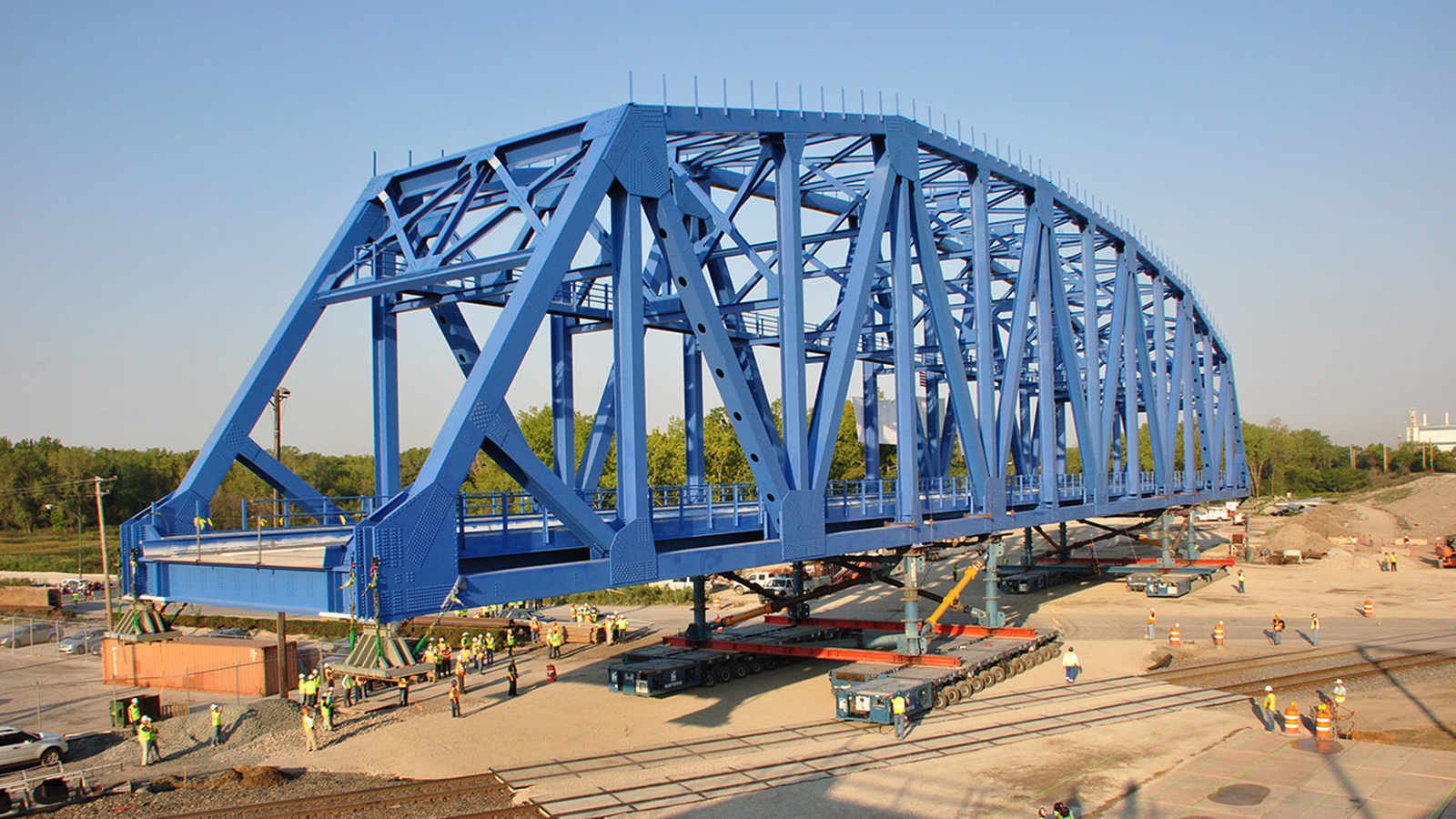
Metal bridges offer several advantages:
- Faster installation
- High structural durability
- Adaptability to remote areas
- Reduced maintenance compared to traditional designs
Many rural regions experience severe connectivity disruptions during rainy seasons. The new bridges are expected to ensure greater territorial continuity, particularly in flood-prone districts.
Economic and Social Impact
Beyond improving mobility, the project is projected to generate over 200 jobs, contributing to local workforce development and technical capacity building.
U.S. diplomat Abigail Dressel described the initiative as a practical example of cooperation between the United States and Mozambique, emphasizing its dual impact: addressing urgent infrastructure needs while strengthening economic ties.
Improved bridge infrastructure is also expected to:
- Facilitate agricultural trade
- Enhance access to health and education services
- Reduce transport costs
- Support mining and industrial supply chains
In a country where road access remains uneven, particularly in remote provinces, reliable bridge infrastructure plays a decisive role in national economic integration.
A Broader Infrastructure Strategy
The Bridge Development Program aligns with Mozambique’s broader national strategy to modernize transport infrastructure and build resilience against climate-related shocks.
By combining technical studies, international cooperation, and financial mobilization, the government aims to address long-standing structural weaknesses in the road network.
If successfully implemented, the construction of 112 metal bridges could significantly improve national logistics efficiency, strengthen regional connectivity, and promote inclusive economic growth.