The planned shutdown and rehabilitation process of Mozal Aluminium will cost approximately $119 million, according to its majority shareholder, South32. The announcement marks one of the most significant industrial developments in Mozambique in recent years and raises serious concerns about economic stability, employment, and energy security.
The aluminium smelter, located in Beluluane Industrial Park, Maputo Province, is expected to suspend operations in March after failing to secure a new electricity supply agreement at competitive prices.
A Costly Industrial Exit
South32 CEO Graham Kerr described the situation as “extremely disappointing,” noting that Mozal could have operated for another 20 years had an affordable energy contract been secured.
The financial implications are substantial:
- $119 million estimated total closure and rehabilitation cost
- $60 million projected in severance payments, contract terminations, and related expenses
- $5 million per year in ongoing care and maintenance costs to preserve site safety
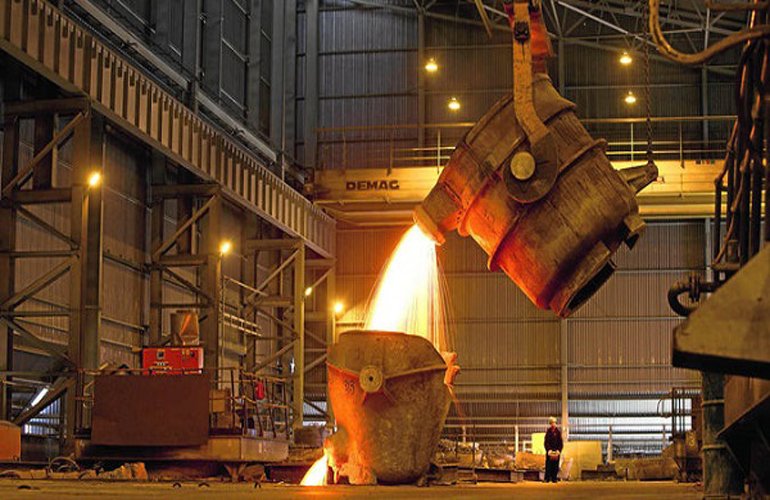
Kerr emphasized that once an aluminium smelter shuts down, restarting operations is neither simple nor inexpensive. Unlike mining operations that can scale up and down, smelters require continuous high-temperature processes. Once furnaces cool, extensive and costly refurbishment becomes necessary.
Thousands of Jobs at Risk
The shutdown directly affects around 4,000 jobs, including employees and contractors, and could impact up to 20,000 indirect jobs across supply chains and service sectors.
Mozal represents approximately 3.9% of Mozambique’s Gross Domestic Product (GDP), making it one of the country’s most strategic industrial assets. The potential ripple effects extend beyond employment — influencing exports, foreign exchange earnings, and fiscal revenue.
For many workers in the Maputo region, alternative employment opportunities remain limited, raising fears of economic strain at the community level.
Energy Supply Breakdown: HCB and Eskom at the Center
The core issue behind the closure is electricity pricing and availability. Mozal requires approximately 940 megawatts of continuous power to operate efficiently.
Historically, energy was supplied through Mozambique’s Hidroeléctrica de Cahora Bassa (HCB), with supplementary power provided by South Africa’s Eskom when necessary.
However, prolonged drought conditions reduced HCB’s capacity to meet demand. Over the past six months, HCB reportedly supplied only 10% of Mozal’s required energy, leaving Eskom responsible for nearly 90%. Negotiations between South32 and Eskom over a revised pricing structure failed, as proposed tariffs would have rendered the smelter economically unviable.
Raw material purchases were halted in December 2025, signaling the company’s preparation for suspension.
Government Response and Ongoing Negotiations
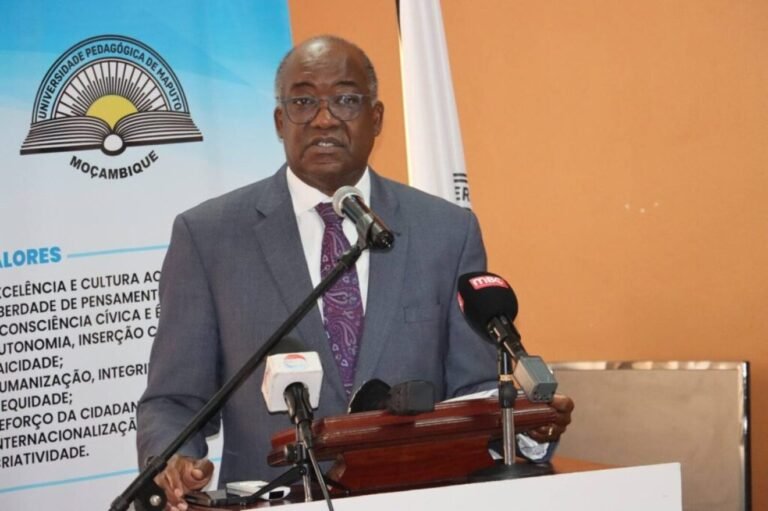
Mozambique’s government has been engaged in negotiations in an attempt to mitigate the fallout. According to Council of Ministers spokesperson Inocêncio Impissa, a technical team is working alongside Mozal and relevant institutions to minimize adverse impacts on workers and suppliers.
Authorities have pledged that any final decisions will be officially communicated once negotiations conclude. However, South32 has confirmed that operations will be suspended despite the government’s efforts to resolve tariff disputes.
IMF Warning: Significant Downside Risks
The International Monetary Fund (IMF) recently highlighted Mozal’s suspension as a significant downside risk to Mozambique’s economic outlook. In its February 13 assessment, the IMF noted that the plant accounts for roughly 4% of GDP and warned that fiscal vulnerabilities could intensify amid rising expenditure pressures and state-owned enterprise losses.
Beyond Mozal, Mozambique faces additional risks:
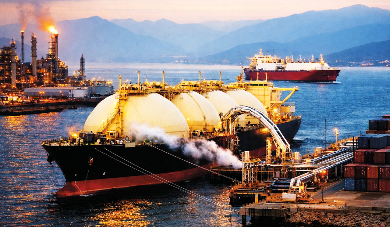
- Ongoing insecurity in Cabo Delgado affecting LNG projects
- Foreign exchange shortages
- Volatility in global commodity prices
- Climate-related energy constraints
The IMF also referenced ongoing tariff negotiations as an additional source of economic uncertainty.
Strategic and Long-Term Implications
The closure signals broader structural challenges in Mozambique’s industrial model — particularly the heavy dependence on energy-intensive megaprojects. It also underscores regional power supply instability and pricing tensions between Southern African utilities.
For Eskom, losing Mozal as a high-volume buyer may impact revenue streams. For Mozambique, the shutdown could reduce export earnings, industrial output, and investor confidence in energy reliability.
South32 has already depreciated most of Mozal’s asset value to zero, retaining only limited working capital. The company indicated it explored alternative production arrangements but found no viable solution under current energy pricing conditions.
A Defining Economic Moment
Mozal has long been considered a flagship post-war investment success story in Mozambique. Its potential closure marks not just the suspension of a factory, but a turning point in the country’s industrial trajectory.
Whether a future energy agreement or structural reform can revive operations remains uncertain. What is clear is that the economic, social, and fiscal consequences of this decision will reverberate far beyond the gates of the Beluluane smelter. -vozafricano